Zero to Shipped: A School Website and an iOS App in One Day
How Cursor turned a 16-year-old with no code experience into a developer — in one summer
In August 2024, I was a 16-year-old with zero coding experience. Not "a little rusty" — genuinely zero. I didn't know how to configure a Python environment. I was a ChatGPT Plus subscriber mostly using it for writing.
Then I found Cursor.
I'd never used an IDE before, but something about the way Cursor worked — the way it collapsed the gap between describing something and having it exist — hit differently than anything else I'd seen. I decided to actually try.
The school website
The opportunity came from school. The student council needed a website for their election campaign. I volunteered — not because I knew how to build one, but because I wanted a real project to learn against.
My process was embarrassingly simple: I wrote down the requirements in plain language, fed them to GPT and asked it to turn them into a clear brief for Cursor, then pasted that into Cursor and hit go.
In under thirty seconds, there was a website on my screen.
I don't have a better way to describe that moment. I'd written zero lines of code. I didn't understand what was generated. And yet there it was — navigable, styled, structured. For someone who'd grown up watching developers as people who spent years learning syntax before shipping anything real, it was genuinely disorienting.
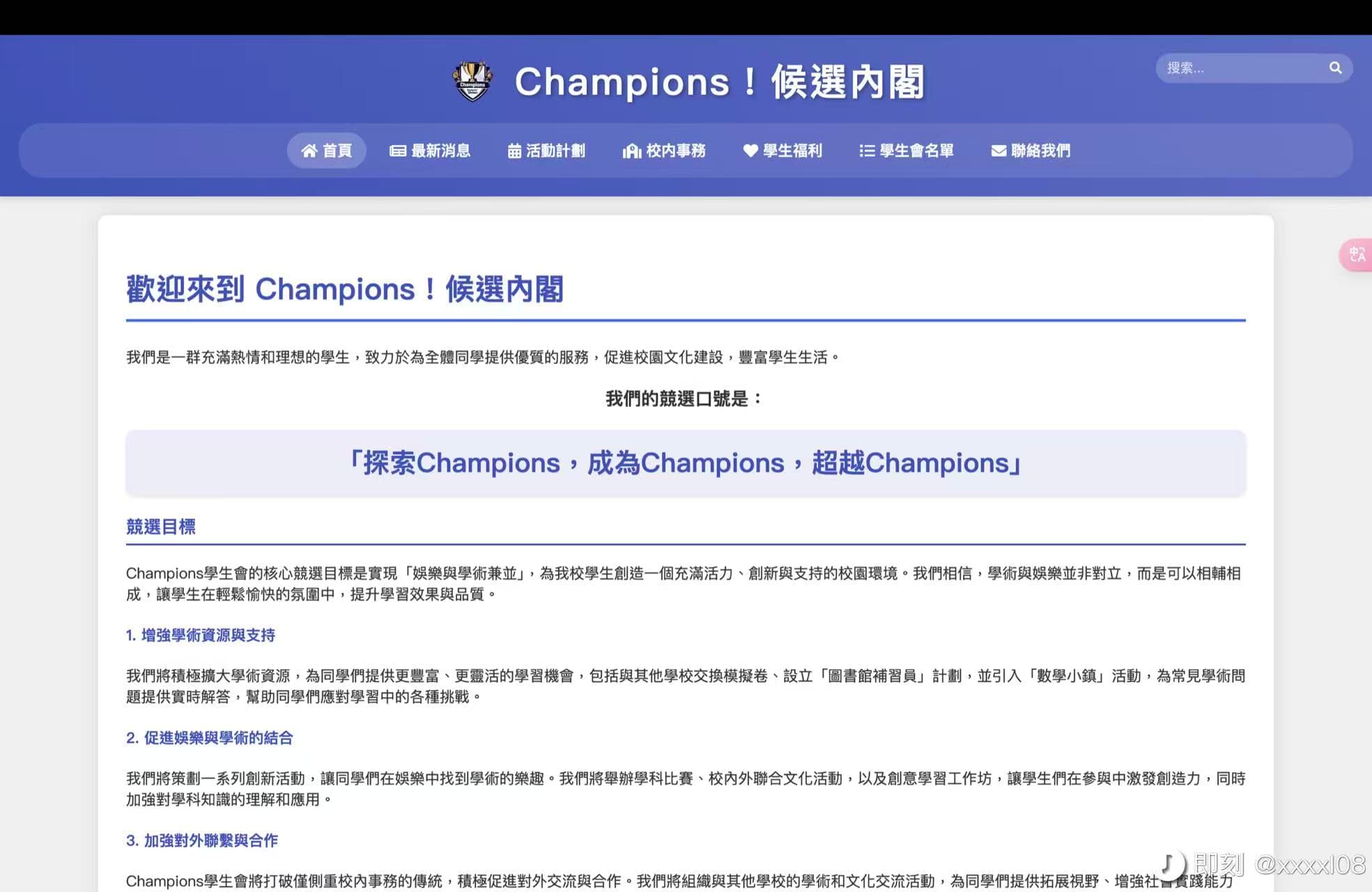
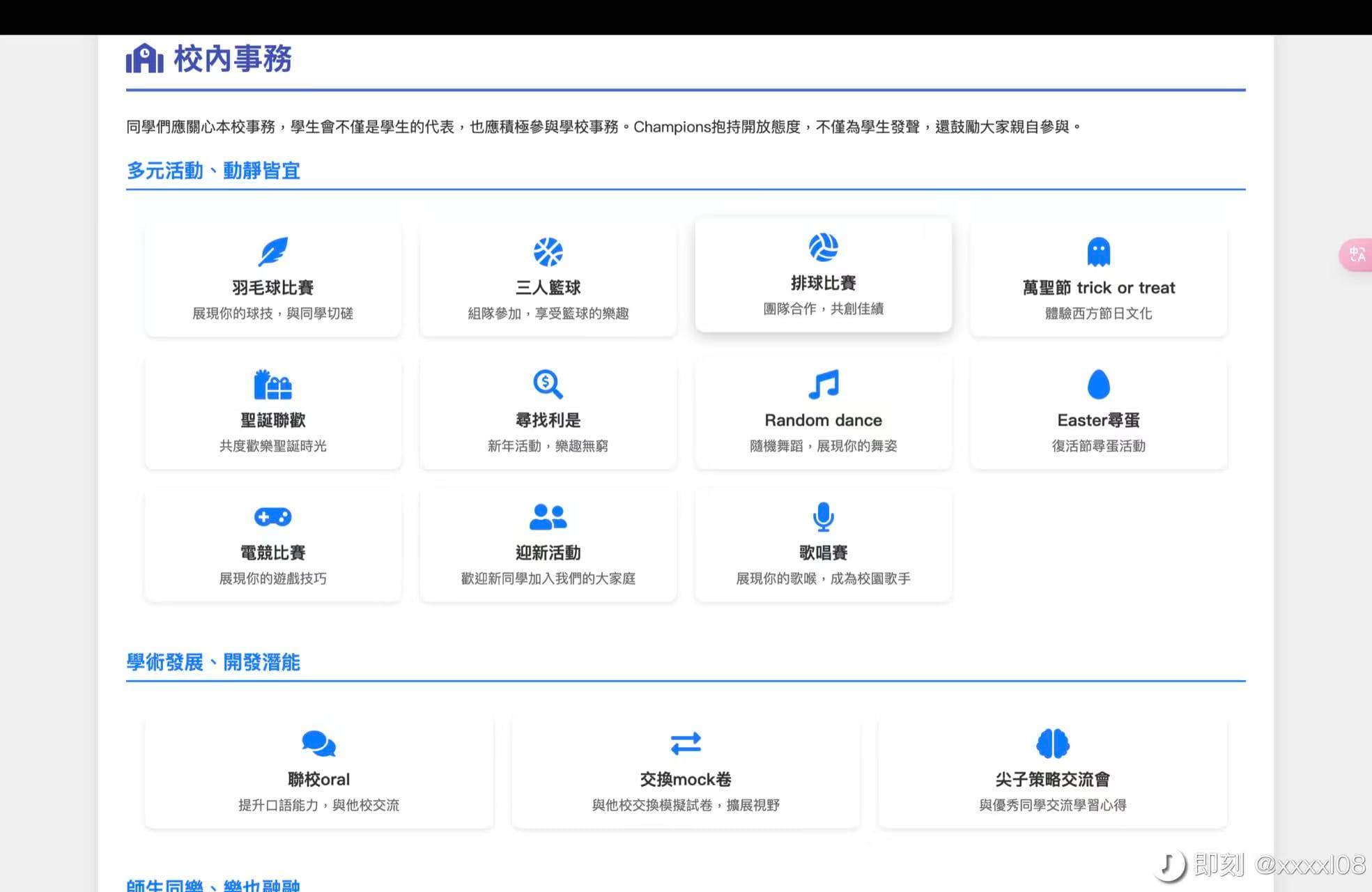
What followed wasn't easy. Getting from a rough first draft to something actually deployable meant optimising code I didn't fully understand, debugging errors I couldn't always explain, fixing UI issues by describing them in plain English, and setting up a server for the first time. Every step cycled between despair and momentum. I almost gave up at least twice.
By the end of that day, the site was live. The school reviewed it and selected it. That feeling — the thing you get when something you made gets chosen — I hadn't expected it to feel that big.
LiveMaster
A week later, I watched a video about building and shipping an iOS app using Cursor and Xcode. That planted an obvious question: was there something people actually needed that didn't exist yet?
I spent time browsing Xiaohongshu looking for unmet needs. Nothing clicked. Then a WeChat Moments scroll gave me the answer.
It was after the school sports and arts festival. Everyone was posting — but a lot of people had videos they wanted to share as Live Photos, and couldn't, because Live Photos have a specific duration and the video didn't match. Converting video to Live Photo wasn't a built-in iOS feature. The few apps that existed were clunky or paywalled.
I wrote up a product spec, fed it to Cursor, and started building. I called it LiveMaster.
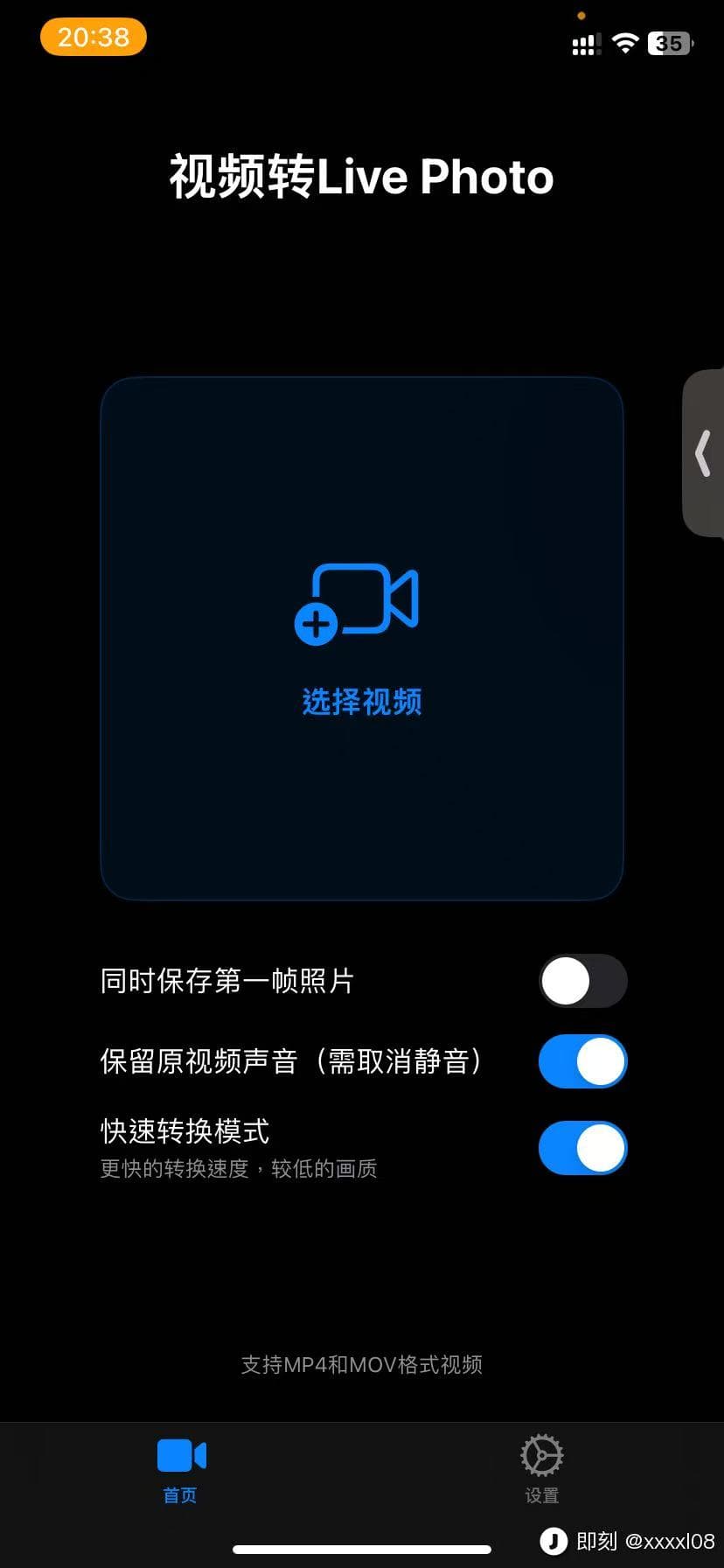
The development was messy — one step forward, two bugs back, repeat. But the moment I opened my camera roll and saw a Live Photo that I'd created from a video, that I'd built the tool for, that I'd shipped from nothing — that feeling hit harder than I expected. Comparable to the best moment in a school exam. Maybe better.
LiveMaster never made it to the App Store. The Apple Developer Program costs ¥688 per year — genuinely too much for a 16-year-old student. That's my biggest regret from that period. The app existed. It worked. It just never got out.
What actually changed
Before 2024, the idea of someone with no programming background shipping a working iOS app in their first few months would have sounded like an exaggeration. The prerequisite stack alone — languages, frameworks, IDEs, build systems, App Store review process — was enormous. People spent years just getting to a point where they could build something real.
What Cursor did, at least for me, was collapse that prerequisite stack. It didn't eliminate the need to understand what you're building. It didn't make debugging disappear. But it moved the starting line. Dramatically.
The comparison I keep coming back to: Cursor arriving in my workflow felt like what GPT-3.5 must have felt like to people who'd been watching language models inch forward for years. A step-change, not an iteration.
I'm still building. The apps I ship now are more complex, the problems I take on are bigger, and I understand a lot more of the code than I did that first day. But I haven't forgotten what it felt like to go from zero to a working website in under an hour.
If you're sitting on an idea and telling yourself you'll start when you know enough — the bar moved. You can start now.